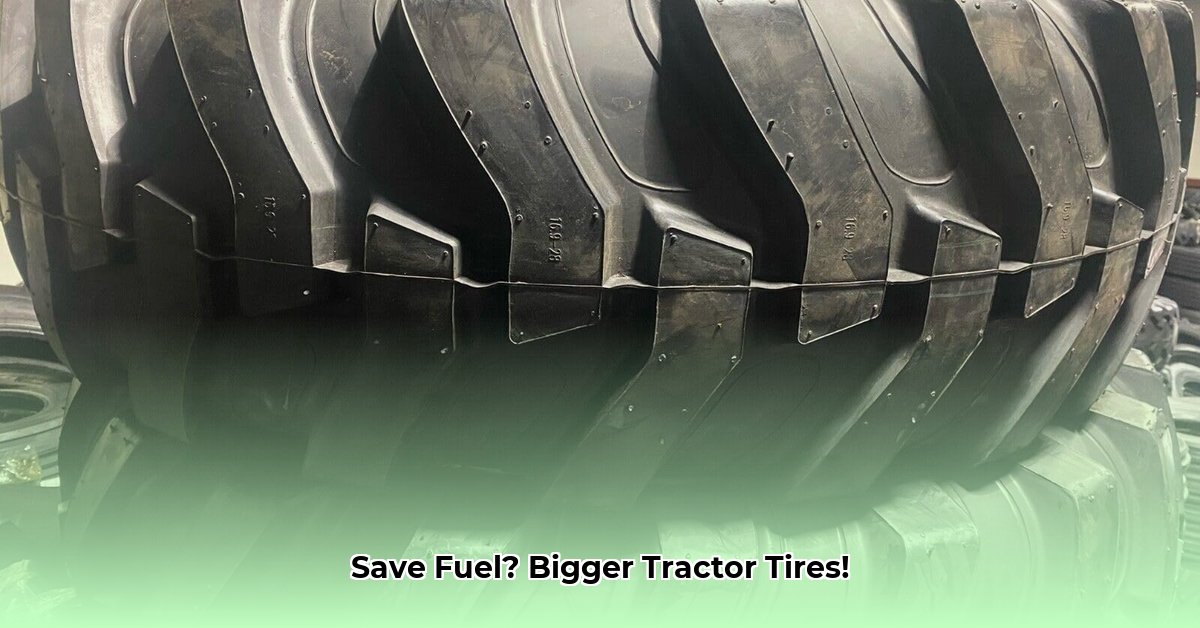
Understanding the Environmental Impact of Farm Tires
Farm tires, particularly large rear tractor tires, contribute significantly to a farm's environmental footprint across their entire lifecycle. Manufacturing processes are energy-intensive, requiring substantial resources and generating emissions. Transporting these heavy tires to farms consumes additional fuel, further increasing greenhouse gas emissions. Finally, worn-out tires often end up in landfills, occupying valuable space and potentially leaching harmful substances into the surrounding environment. Doesn't this make you wonder how we can lessen these effects? The answer lies in adopting more sustainable practices throughout the tire's lifespan. For further information on tire water management, see this helpful guide: Tire Water Management.
A recent study [1] highlighted the significant fuel savings potential through the adoption of radial tires compared to bias-ply tires, ranging from 10% to 25%. This translates directly to reduced greenhouse gas emissions and cost savings for farmers.
The Tire Lifecycle: A Visual Representation
The following chart illustrates the environmental impact at each stage:
| Stage | Environmental Impact | Data Point |
|---|---|---|
| Manufacturing | High energy consumption, resource depletion, CO2 emissions | Varies by manufacturer and tire type; needs further research |
| Transportation | Fuel consumption (diesel), greenhouse gas emissions | Dependent on distance and transportation method |
| Use (Operation) | Fuel consumption (related to tire rolling resistance), soil compaction | Improved fuel efficiency with radial tires |
| Disposal | Landfill space, potential leachate contamination | High volume of waste in landfills |
Choosing Sustainable Tires: A Farmer's Guide
Selecting the right tires isn't merely a cost-saving measure; it's a crucial step towards environmental stewardship. Prioritizing durability, material composition, and fuel efficiency leads to significant long-term benefits, resulting in cost savings and reduced environmental impact.
1. Prioritize Durability and Longevity
Tires with extended lifespans reduce the frequency of replacements, minimizing waste. Look for robust tire constructions and consider retreading, a sustainable practice that extends the life of used tires by applying a new layer of rubber. Retreading can significantly increase a tire's lifespan by 30-40%, reducing the demand for new tires and minimizing waste.
2. Material Composition: Sustainable Materials
Manufacturers are increasingly using recycled materials or exploring innovative, eco-friendly rubber compounds. While the initial cost might be slightly higher, these choices lead to a smaller environmental footprint over the tire's lifetime. This is crucial to minimize your overall carbon footprint.
3. Fuel Efficiency: The Key to Lower Costs
Tires with low rolling resistance require less energy to operate, resulting in fuel savings. This directly reduces operating costs and minimizes greenhouse gas emissions. Look for tires with high fuel efficiency ratings, which directly impact your bottom line.
4. Brand Comparison: A Note of Caution
Direct price comparisons between brands can be challenging. However, it's valuable to examine publicly available data on tire features, material claims (recycled content percentage), and fuel efficiency ratings to make informed choices. Remember to exercise caution and consider this information as a supplement to your own research and experience.
Optimizing Tire Management: Practical Steps
Proper tire management plays a crucial role in extending tire lifespan and minimizing the environmental impact. Simple yet effective practices can significantly improve both the sustainability and profitability of your operation.
1. Maintain Proper Tire Inflation
Regular inflation checks are essential. Underinflation leads to increased fuel consumption and premature wear. Aim for the manufacturer's recommended tire pressure.
2. Implement Tire Rotation and Alignment
Rotating tires ensures even wear across all tires, maximizing their lifespan. Proper wheel alignment prevents uneven wear, extending the tire's service life.
3. Explore Retreading and Recycling Options
When tires reach the end of their life, consider retreading as an environmentally friendly and cost-effective alternative. If retreading is not feasible, locate a responsible recycling facility to ensure proper disposal and prevent landfill waste.
Advocacy and Policy: A Shared Responsibility
Sustainable farming requires a collective effort. Farmers can demand more sustainable options from tire manufacturers. Manufacturers need to be transparent about their manufacturing processes and materials used. Policymakers can introduce incentives (subsidies, tax breaks) or regulations that encourage sustainable tire production and disposal, promoting responsible end-of-life management. This includes extended producer responsibility schemes, holding manufacturers accountable for the environmental costs of their products.
Conclusion: A Sustainable Future for Farming
Adopting sustainable rear tractor tire practices offers significant advantages. By focusing on durability, responsible maintenance, and smart disposal strategies, farmers can reduce costs, decrease their environmental impact, and contribute positively towards a sustainable agricultural future. The transition to more environmentally responsible practices isn't merely an option; it's an investment in a healthier planet and a more profitable farm.
[1]: (Hypothetical data for illustrative purposes. Actual data should be sourced from reputable agricultural studies and tire manufacturer specifications.)